
Diabetic Eye Treatment
Personalised eye care
for every stage of diabetes
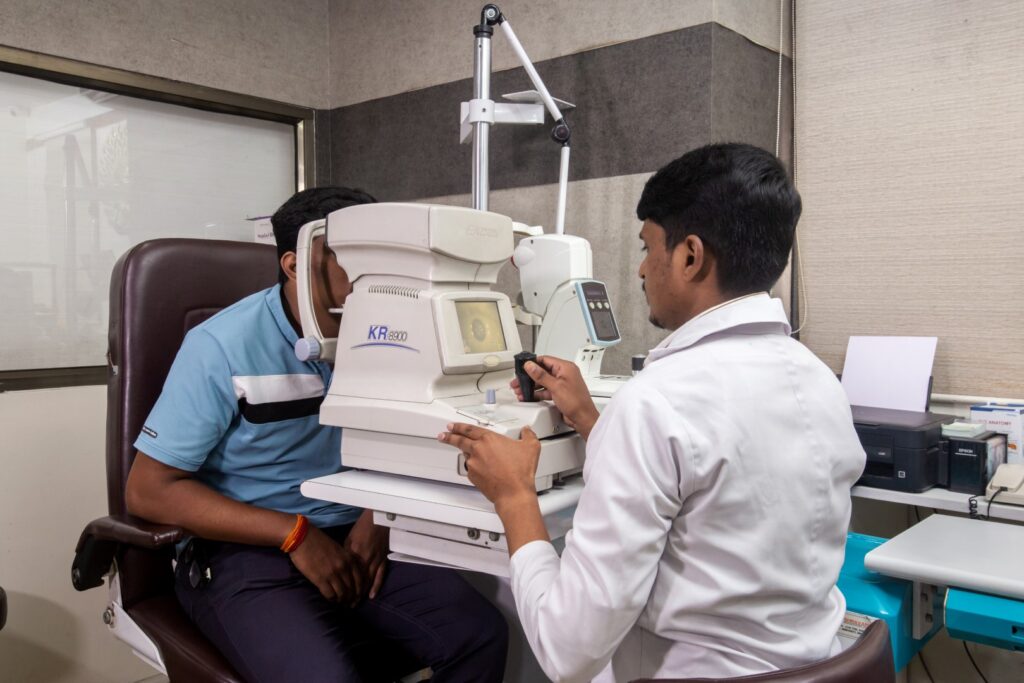
What is Diabetic Eye Disease?
Diabetic eye disease includes a range of eye problems that can affect people with diabetes, especially if blood sugar levels stay high over time. The most common issue is diabetic retinopathy, which harms the blood vessels in the retina. If untreated, it can cause vision loss or even blindness. Early detection and prompt treatment are crucial for protecting your eyesight.
Symptoms You Might Notice
Early diabetic retinopathy has no symptoms, so it’s a good idea to get screened once a year if you have diabetes.
- Blurred or fluctuating vision
- Dark spots or floaters in your vision
- Difficulty seeing at night
- Faded or washed-out colors
- Sudden vision loss in one or both eyes
- Eye pain or pressure
- Trouble focusing


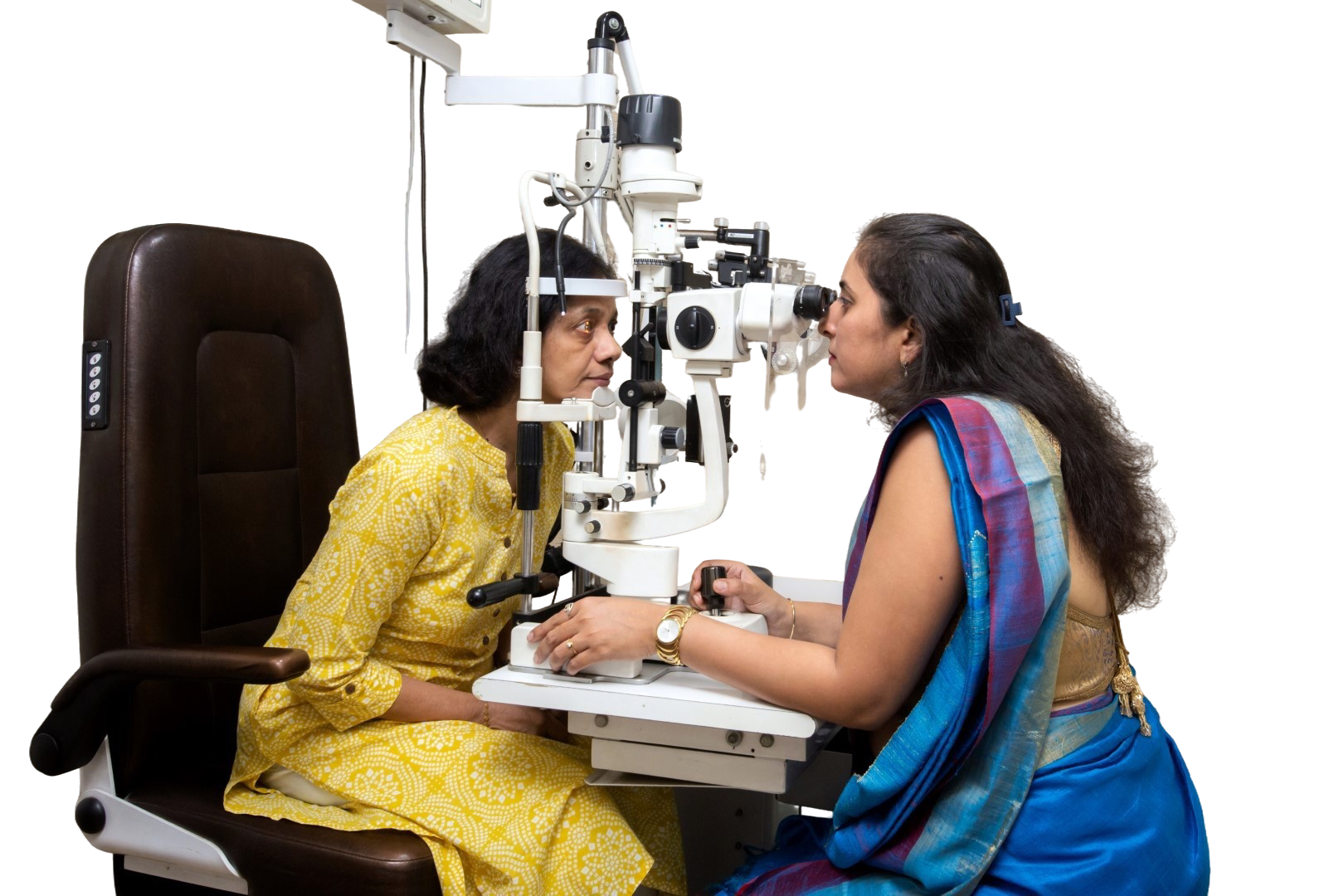
When to See a Doctor?
If you have diabetes, regular eye check-ups are important. This is true even if your vision seems fine. Diabetic eye damage can develop quietly and worsen without showing any symptoms. Visit an eye specialist at least once a year, or sooner if you notice any changes in your vision.
Need help with your eyes?
Our Treatment Approach
We conduct a thorough evaluation using:
- Dilated retinal examination
- Fundus photography
- Optical Coherence Tomography (OCT)
We focus on early detection of diabetic retinopathy, even before symptoms show up. We create a personalized treatment plan based on severity, which may include:
- Lifestyle and dietary advice
- Laser therapy to seal leaking blood vessels
- Anti-VEGF injections to decrease swelling and prevent further damage
- Surgical intervention for advanced cases
Chosen by Patients.
Trusted for Outcomes.
- Experienced eye surgeons with years of cataract expertise.
- Early detection through advanced retinal imaging and diagnostics
- Holistic diabetes-related eye care with lifestyle and vision guidance
- Expertise in treating all stages of diabetic retinopathy
- Painless laser and injection treatments
- Patient education and follow-up protocols for long-term eye health
- Trusted by diabetic patients across Pune for ongoing care and prevention

FAQs
What eye problems are linked to diabetes?
Diabetes can damage the blood vessels in your eyes, leading to several conditions:
- Diabetic Retinopathy: This is the most common and serious condition, which harms the retina due to leaky or blocked blood vessels.
- Diabetic Macular Edema (DME): This involves swelling in the macula caused by fluid build-up, resulting in blurry or distorted vision.
- Cataract: This is the clouding of the eye’s lens, which usually occurs earlier in people with diabetes.
- Glaucoma: This refers to a group of conditions that damage the optic nerve, and it happens more often in diabetics.
What is diabetic retinopathy and how does it progress?
Diabetic retinopathy starts when weakened blood vessels in the retina leak fluid or blood. In the early stages (non-proliferative), the damage is minimal. As it advances (proliferative), new abnormal vessels grow. These may bleed or create scar tissue, which can severely affect vision or even cause blindness.
What is macular Edema?
Macular edema is swelling of the macula, the central part of the retina, usually due to diabetic retinopathy. It impacts sharp, central vision. There are two types:
- Focal DME: This is caused by leaking abnormal vessels.
- Diffuse DME: This results from widespread capillary swelling.
How is diabetic macular edema treated?
- Steroid Injections: These reduce inflammation.
- Anti-VEGF Injections: These prevent new vessel growth and leakage.
- Laser Treatment: Focal or grid lasers may help reduce fluid build-up.
- Vitrectomy: This is considered if the vitreous gel is pulling on the retina or contains blood. Recovery can take 3 to 6 months, and mild irritation, floaters, or light sensitivity may occur.
How does diabetes increase the risk of glaucoma and cataract?
- Glaucoma: Diabetes doubles the risk due to increased pressure, which can harm the optic nerve.
- Cataract: High sugar levels in the eye’s fluid lead to deposits on the lens, causing clouding.
How are diabetic eye problems treated?
The first step is controlling blood sugar, blood pressure, and cholesterol. Specific treatments include:
- Diabetic Retinopathy: Treatments can involve injections (like anti-VEGF or steroids), laser procedures, or vitrectomy surgery.
- DME: This may require anti-VEGF injections, corticosteroids, laser therapy, or vitrectomy if necessary.
- Glaucoma: Treatment options include eye drops, oral medications, or surgery.
- Cataract: Surgery is performed to replace the cloudy lens with a clear artificial one.
What are the treatments for proliferative diabetic retinopathy?
- Anti-VEGF Injections: These stop abnormal vessel growth.
Laser Therapy:
- Focal laser: This seals leaking blood vessels.
- Panretinal photocoagulation: This shrinks abnormal vessels by treating the retina’s edges.
- Vitrectomy: This removes blood and scar tissue from inside the eye.
When should someone with diabetes see an eye doctor?
- Blurry or double vision
- Poor night vision
- Blind spots or floaters
- Eye pain or headaches
- Loss of side (peripheral) vision
- Shadowy or hazy vision
How can I protect my eyes if I have diabetes?
- Maintain strict diabetic control
- Implement effective lifestyle management
- Schedule annual checkups to diagnose diabetic retinopathy, Cataract, or Glaucoma
- Visit an eye doctor annually or promptly if symptoms occur
What are the early warning signs of diabetic eye disease?
In the early stages, diabetic eye disease may not cause noticeable symptoms. As it progresses, patients may experience blurred vision, floaters, dark spots, fluctuating vision, difficulty seeing at night, or sudden vision loss. Regular eye examinations are essential for early detection.
Can diabetic eye disease develop even if my vision seems normal?
Yes. Many diabetic eye conditions, including diabetic retinopathy, can develop without symptoms in the early stages. Significant retinal damage may occur before any changes in vision are noticed.
Does good blood sugar control help prevent diabetic eye disease?
Maintaining healthy blood sugar levels can significantly reduce the risk of developing diabetic retinopathy and slow the progression of existing diabetic eye conditions. Managing blood pressure and cholesterol is also important.
Who is at higher risk of developing diabetic eye complications?
The risk increases with longer duration of diabetes, poor blood sugar control, high blood pressure, high cholesterol, smoking, kidney disease, and pregnancy in women with diabetes.
Can diabetic eye disease cause permanent vision loss?
If left untreated, diabetic eye diseases such as diabetic retinopathy and diabetic macular edema can lead to irreversible vision loss. Early diagnosis and timely treatment greatly improve the chances of preserving vision.
What tests are performed to diagnose diabetic eye disease?
A comprehensive diabetic eye evaluation may include visual acuity testing, dilated retinal examination, retinal imaging, Optical Coherence Tomography (OCT), and fluorescein angiography to assess retinal damage and guide treatment.