
Macular Degenration Treatment
Combining cutting-edge diagnostics and advanced therapies for lasting vision health
What is Macular Degeneration?
The central part of your vision is affected by the age-related eye disease called macular degeneration. It makes it hard to drive, read, or recognize faces. This condition occurs when the macula, the center of the retina, starts to break down. It doesn’t lead to complete blindness, but without treatment, it can significantly disrupt your daily life.
Symptoms You Might Notice
- Blurred or distorted central vision
- Difficulty reading or recognizing faces
- Straight lines appearing wavy
- Needing brighter light to see clearly
- Trouble adapting to low light
- A dark or empty spot in the center of vision


When to See a Doctor?
If you notice sudden changes in your central vision or have trouble with tasks like reading or recognizing faces, schedule an eye check-up right away. Early diagnosis can help slow the progression of the condition and preserve your sight.
Need help with your eyes?
Our Treatment Approach
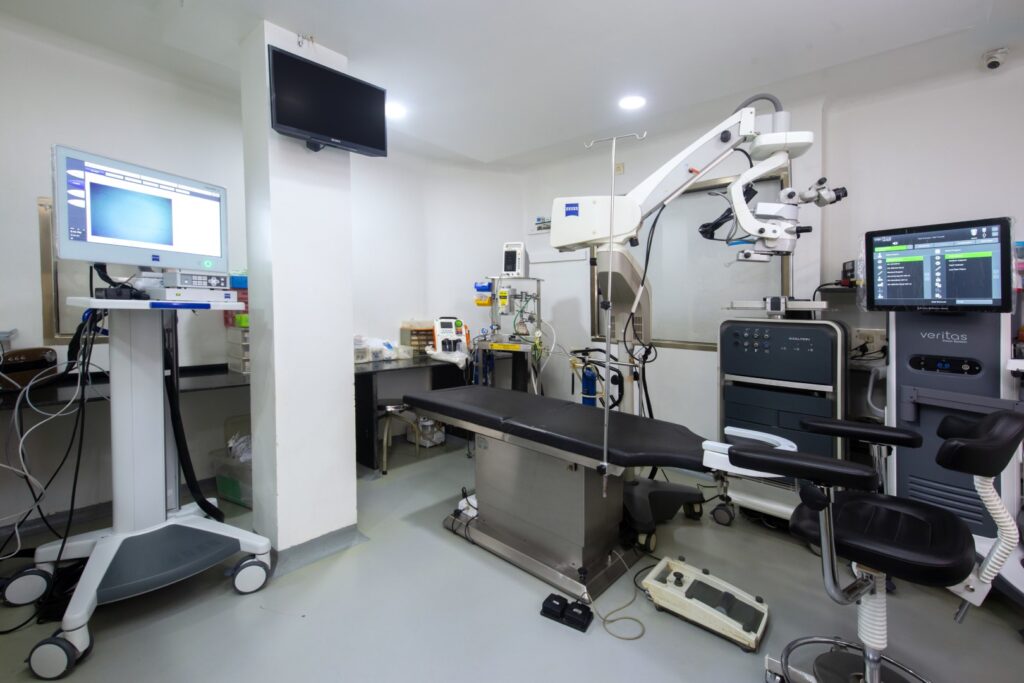
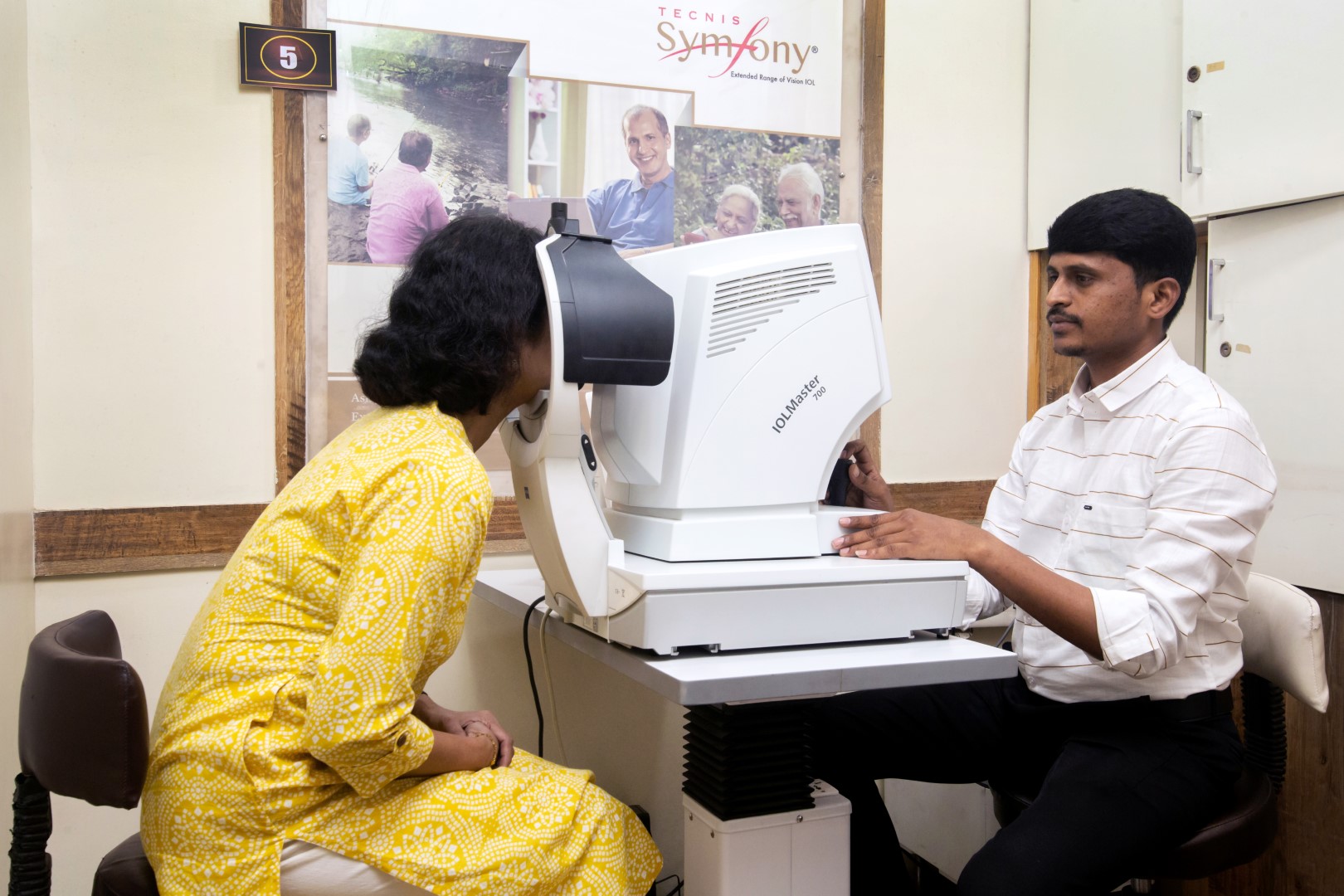
We start with thorough macula-focused diagnostics, which include OCT scans, fundus photography, and fluorescein angiography. This helps us determine whether you have dry or wet macular degeneration. Treatment is tailored to your needs: we provide nutritional guidance and AREDS-based supplements for dry AMD, while wet AMD is treated with intravitreal anti-VEGF injections to control abnormal blood vessel growth and leakage.
Chosen by Patients.
Trusted for Outcomes.
- Advanced diagnostic tools to accurately identify your type of AMD
- Personalised, evidence-based treatment plans for dry and wet AMD
- Precise intravitreal injection therapy administered by experienced specialists
- Compassionate patient care with consistent guidance at every stage
- Regular monitoring to track progress and fine-tune treatment
FAQs
Can macular degeneration cause permanent vision loss?
Yes, if not treated early, macular degeneration can lead to progressive vision loss. Initially, it may not affect your vision, but as it worsens, you might see wavy or blurred images. Over time, it can harm your central vision, making it difficult to read, drive, or recognize faces. In some cases, people may even experience visual hallucinations.
What are the different types of macular degeneration?
There are two main types:
- Dry (Atrophic) - This is more common and develops slowly over time.
- Wet (Neovascular or Exudative) - This is less common but more serious. It can lead to faster vision loss. Most cases start as dry and may later progress to wet. It usually affects both eyes, but not always at the same pace.
What causes macular degeneration?
Age is the biggest factor. As you get older, the cells in your macula (the central part of the retina) start to wear out. Genetics may also play a role, which means it could run in families.
What treatments are available for macular degeneration?
For Dry AMD (especially in early stages):
- A healthy diet rich in antioxidants
- In some cases, vitamin and mineral supplements may be recommended
For Wet AMD:
- Laser Treatments: These seal leaking blood vessels in the eye
- Photodynamic Therapy (PDT): A light-activated drug is used to stop abnormal vessels from growing
- Anti-VEGF Injections: This is the most common and effective treatment. It helps stop the growth of weak, leaky blood vessels under the retina. The injection is given after numbing the eye and usually takes about 15 minutes. Most patients need it once a month or as the doctor advises. While it’s generally safe, it may have rare side effects like increased eye pressure or, in very rare cases, stroke.
Can macular degeneration be prevented?
There is no guaranteed way to prevent it, but you can reduce your risk by:
- Eating foods high in antioxidants
- Not smoking
- Wearing UV-protected sunglasses
- Maintaining a healthy lifestyle
What are the different types of cataract surgery?
Phacoemulsification (Phaco)
This modern, stitch-less surgery uses ultrasound to remove the lens, followed by implantation of a foldable IOL. Recovery is quick and downtime is minimal.
Manual Small Incision Cataract Surgery (MSICS)
This cost-effective technique uses a slightly larger incision (5 to 6 mm) with a self-sealing wound. No stitches are required.
What types of intraocular lenses (IOLs) are available?
Monofocal IOLs
These provide clear vision at one fixed distance, usually far. Patients will still need reading glasses.
Multifocal IOLs
These allow for both near and distance vision. They may reduce the need for glasses but can cause glare or halos at night.
Accommodative IOLs
These adjust inside the eye to provide a broader focus range, working well for distance but not as effectively for near vision.
Toric IOLs
These correct both cataracts and astigmatism. The lens is aligned precisely during surgery for the best results.
EDOF (Extended Depth of Focus) IOLs
These provide continuous vision over a range of distances and are ideal for those with presbyopia.
What happens before, during, and after cataract surgery?
Before Surgery:
- Measurements and tests help determine the right lens. You may need to stop taking certain medications temporarily.
During Surgery:
- Local anesthesia is used. A tiny incision is made, the cloudy lens is removed, and a new IOL is implanted. The procedure is usually painless and takes about 15 to 20 minutes.
After Surgery:
- You may feel mild discomfort, sensitivity to light, or watery eyes.
- Eye drops will be prescribed to help healing and prevent infection.
- Avoid rubbing your eye, lifting heavy objects, or bending forward for a few days.
- Vision improves gradually; most patients recover within 2 weeks.
Can cataract surgery have complications?
- Cataract surgery is generally safe. However, rare complications can include:
- Infection, bleeding, or inflammation.
- Increased eye pressure or retinal detachment.
- Vision issues like double vision or glare.
- With prompt treatment, most issues can be resolved without causing long-term damage.
Are there any precautions to prevent cataracts?
- Wear UV-protective sunglasses outdoors.
- Quit smoking.
- Eat a diet rich in antioxidants, such as fruits and vegetables.
- Manage diabetes, blood pressure, and other health conditions.
- Maintain a healthy weight and limit alcohol intake.