
Squint and Eye Alignment Treatment
Proven solutions for squint correction with lasting results
What is Squint?
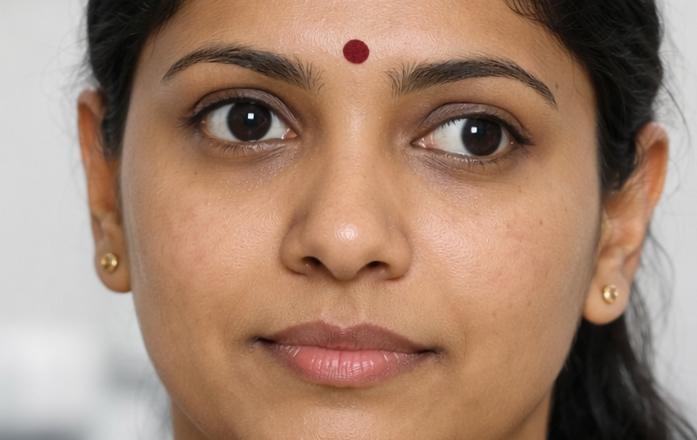
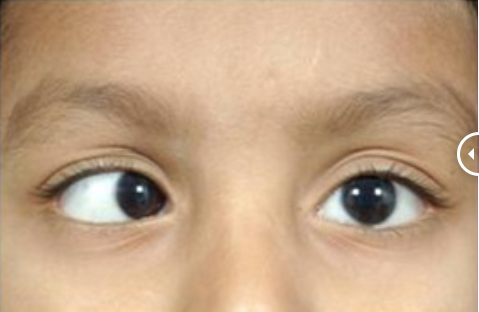
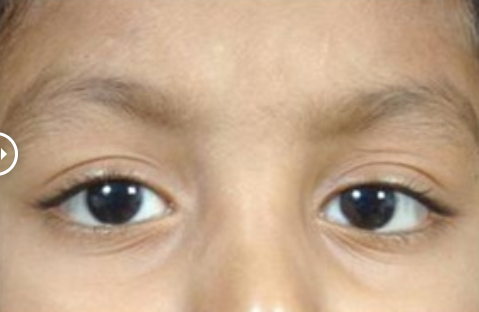
Squint, also called strabismus, is a condition where both eyes do not look in the same direction. One eye may turn in, out, up, or down while the other focuses correctly. A few cases do affect the people of every age, especially children. People with squint may have double vision, difficulty with depth perception, or even loss of eyesight if left untreated. If treated on time, this condition can help in aligning the eyes for better vision.
Symptoms You Might Notice
- Eyes that don’t move together
- One eye turning in a different direction
- Double vision
- Tilting the head to see better
- Poor depth perception
- Eye strain or fatigue
- Difficulty with reading or focusing

When to See a Doctor?
Avoid any delay in visiting a doctor if you or your child shows symptoms of misaligned eyes. An early diagnosis, and treatment through glasses, exercises, or surgery, can improve vision and stop serious complications.
Need help with your eyes?
Our Treatment Approach
At Poona Eye Care, we follow a detailed diagnostic process for correcting squint (strabismus). We start with eye alignment tests and vision assessments. Depending on the type and severity of the squint, we create a treatment plan that may include glasses (bifocals or prisms), occlusion therapy, vision exercises, or surgery. Each option aims to restore binocular vision and improve both appearance and function.
Chosen by Patients.
Trusted for Outcomes.
- Experienced ophthalmologists specializing in squint correction
- Child-friendly clinic atmosphere with options for adult treatment
- Non-surgical therapies and modern surgical methods
- Focused on restoring vision and building confidence
- Personalized plans based on each patient’s visual needs
- Proven success in treating complex and long-standing squints
FAQs
Is it normal for babies to squint?
Indeed, during the first few months of life, it's normal for a newborn's eyes to occasionally wander or appear crossed. But the eyes should line up properly by 4 or 6 months. After this age, if one or both eyes continue to occasionally drift upward, downward, inward, or outward, it may be a sign of a condition known as strabismus (squint). An eye doctor should examine it.
What causes a squint?
A squint happens when the eye muscles don’t work together to move the eyes in the same direction. This could be due to:
- Weak or imbalanced eye muscles
- Nerve damage
- Medical conditions like diabetes, thyroid problems, brain injury, stroke, or certain autoimmune diseases
- Eye surgeries (e.g., cataract or retina surgery) that may have affected the eye muscles
What are the different types of squints?
Squints are named based on the direction the eye turns:
- Esotropia: eye turns inward
- Exotropia: eye turns outward
- Hypertropia: eye turns upward
- Hypotropia: eye turns downward
What if squint is not corrected ontime?
A child may develop a lazy eye, meaning their vision might not fully develop, a condition known as amblyopia.
How is a squint treated?
Early treatment in children can often correct the squint. Treatment options include:
- Glasses (bifocal or prism lenses)
- Patching (covering the stronger eye to train the weaker one)
- Eye exercises
- Contact lenses
- Surgery (if non-surgical methods don’t work)
A combination of these treatments may be used for best results.
What happens during squint surgery?
In order to properly align both eyes, squint surgery is performed to modify the eye muscles. The muscles may be repositioned, tightened, or loosened by the surgeon.
Usually, either local or general anesthesia is used. Following treatment, you may experience some mild discomfort, which can be controlled with medications like paracetamol. Depending on the severity of the squint, multiple surgeries may be required in some cases.
What are the benefits of squint surgery?
- Improves eye alignment
- Reduces or eliminates double vision
- Lessens eye strain and fatigue
- Enhances side (peripheral) vision
- Makes eye contact easier in social or work settings
- Boosts confidence and quality of life